beat365中文官方网站
设为首页
加入收藏
联系我们
学校首页
导航
首页
学院概况
学院简介
现任领导
机构设置
师资队伍
车辆工程系
智能车辆工程系
交通工程系
教学实验中心
本科生培养
车辆工程专业
交通工程专业
智能车辆工程专业
教学实验室
课程学习
研究生培养
学科设置
导师队伍
科学研究
科研机构
科研方向
党群建设
党委概况
党群机构
工作动态
党建园地
榜样旗帜
学生工作
学工队伍
团学组织
科技创新
社会实践
HRT车队
学生典型
联系我们
联系电话
来访路线
E-mail
学院新闻
更多+
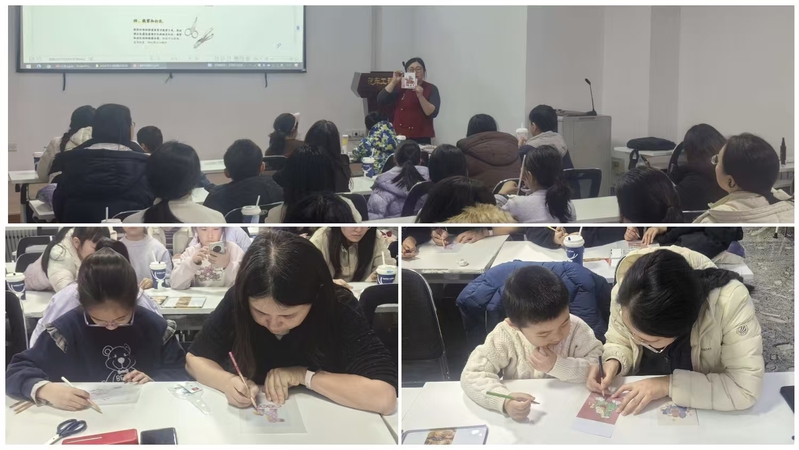
材汽过人・巾帼共艺——学院工会组织三八节活动
春风送暖迎三八,巾帼芳华绽光彩。为庆祝三八国际妇女节,充分展现新时代高校女教师的靓丽风采,3 月 8 日...
更多+
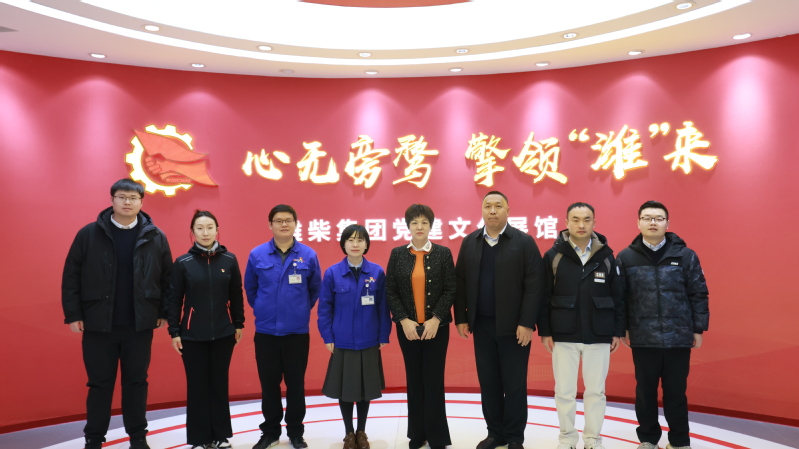
校企党建联建,携手共促发展
1月29日上午,beat365中文官方网站车辆教工党支部与潍柴动力股份有限公司新能源三电系统党...
更多+
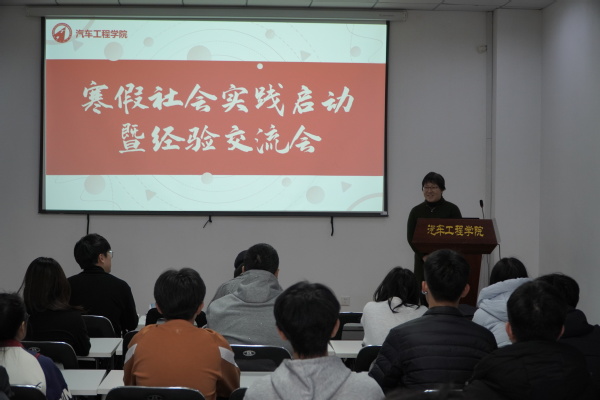
beat365中文官方网站召开2026年寒假社会实践启动暨经验交流会
为凝聚实践共识、明确行动方向、分享宝贵经验,2026年1月9日,beat365中文官方网站寒假社会实践启动暨经验交流会在...
更多+
祝贺!beat365官网学子在2025中国数字汽车大赛中获创新组二等奖
2025年12 月 28 日,第八届中国数字汽车大赛全国总决赛在天津武清圆满落幕。历经初赛预选、分区复赛答辩及...
更多+
1
2
3
4
2026-03-09
材汽过人・巾帼共艺——学院工会组织三八节活动
2026-02-01
校企党建联建,携手共促发展
2026-01-26
beat365中文官方网站召开2026年寒假社会实践启动暨经验交流会
2026-01-04
祝贺!beat365官网学子在2025中国数字汽车大赛中获创新组二等...
2026-01-01
出彩!beat365中文官方网站举行2025年“出彩汽车人”表彰大会...
通知公告
更多+
09
2026-03
【校长杯专项赛】第二十一届大学生交通运输科技大赛校内赛通知
02
2026-03
关于陈敬维同学就业推荐表丢失的公示
09
2026-01
关于翟子熠同学就业推荐表丢失的公示
25
2025-12
【汽车·讲座】百家讲坛第59期暨梧桐书院格致论坛第81期
25
2025-12
2025年教职工年度考核拟确定为优秀档次人员名单公示
23
2025-12
2025年“潍柴动力”奖学金公示
学术讲座
更多 +
12-25
【汽车·讲座】百家讲坛第59期暨梧桐书院格致论坛第81期
07-23
【汽车•讲座】百家讲坛第58期暨梧桐书院格致论坛第80期
07-13
【汽车•讲座】百家讲坛第56期暨梧桐书院格致论坛第78期
06-19
【汽车•讲座】百家讲坛第55期暨梧桐书院格致论坛第77期
04-11
【汽车•讲座】百家讲坛第54期暨梧桐书院格致论坛第76期
04-11
【汽车•讲座】百家讲坛第53期暨梧桐书院格致论坛第75期
版权所有 Copyright © beat·365(中文) - 官方网站